
The tasting culture that determines whether your product makes it into Japan
What is shishoku, and why is tasting in Japan almost a mandatory step for food, drink and cosmetics to gain consumer trust on the shelves?.
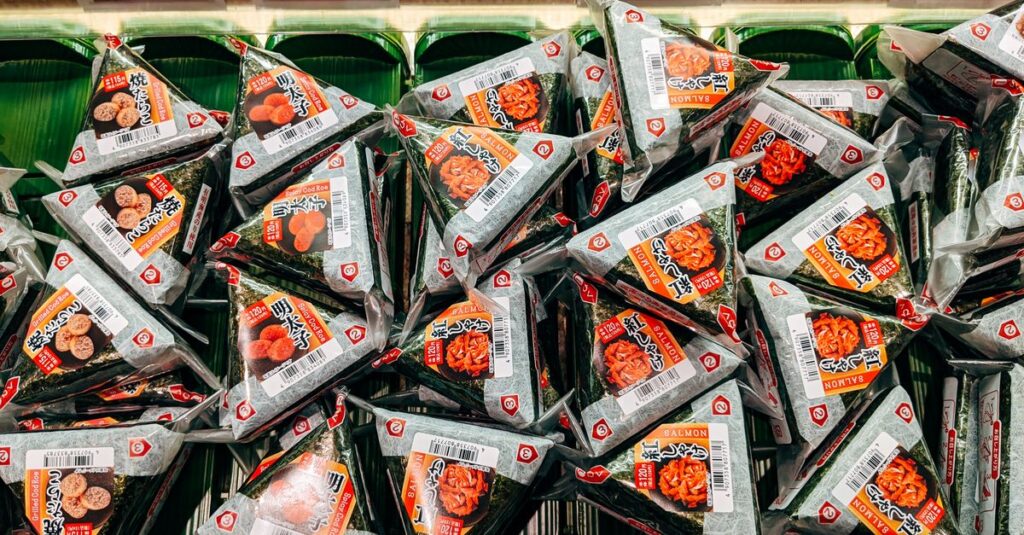
If you’ve ever walked into a mid-range or upmarket Japanese supermarket, you’ve probably come across someone behind a small counter, offering a small piece of cheese, a teaspoonful of sauce or a sip of tea in a tiny cup. This isn’t just a one-off weekend promotion: it’s a fundamental practice in Japanese retail known as shishoku (試食, literally ‘tasting’), and understanding it can make all the difference between your product taking off in Japan or being forgotten on a shelf.
For a Spanish SME that exports olive oil, wine, cured meats or cosmetics, shishoku is not merely a trivial merchandising detail. In many cases, it is the real gateway to the Japanese consumer, far more decisive than packaging or the price on the shelf.
A culture that is wary of the unknown… until it tries it
Japanese consumers tend to be particularly cautious about products they do not recognise. This is not down to a closed-minded attitude, but rather a deeply ingrained approach to risk management: if I don’t know what it tastes like, what its texture is or how it is used, why should I risk my money on it? In a market where the range of imported products is growing every year, shishoku acts as a bridge that reduces that uncertainty before the purchase.
There is a practical reason for this and a more cultural one. The practical reason is obvious: trying something out removes any doubt. The cultural aspect relates to the concept of omotenashi (hospitality that anticipates the needs of others, without expecting anything in return immediately): offering a free sample is not seen as an aggressive sales tactic, but as a gesture of care towards someone who is about to decide whether to trust a new product. Staff manning the shishoku counters are usually trained to explain the product calmly, without pressuring customers to buy, and to accept quite naturally that someone might try it and leave without buying anything. Paradoxically, it is this lack of pressure that builds the trust needed for a purchase to take place later on.
Where is it most clearly visible?
The most obvious example can be found in the depachika – the food halls in the basements of department stores, veritable temples of Japanese food retail – where brands of foreign cheeses, cured meats, oils and sweets offer tastings almost as a prerequisite for entry. But the phenomenon extends far beyond food: in cosmetics, it is common to find testers staffed by personnel who explain texture and application methods in shops such as Loft or Tokyu Hands; in the drinks sector, particularly wine and sake, guided tastings at specialist shops or trade fairs serve the same purpose; even in fashion, albeit in a different way, well-run fitting rooms and the chance to touch and feel the fabric before making a decision are highly valued.
For a foreign brand, this has a direct implication: many Japanese distributors and importers not only tolerate product sampling, but actually expect it as part of the launch plan. They will ask, quite naturally, how the product is to be sampled, in what format, how often and for how long. A brand that arrives without having planned this may inadvertently give the impression that it is unfamiliar with the basic rules of the market.
A filter that is also perceived as high-quality
Shishoku also serves as a form of silent validation. In a market where the perception of quality is built up through minute details — the appearance of the packaging, the care taken with the labelling, the consistency of the product with what it promises — allowing customers to try a product is also a statement of self-confidence. A product that remains hidden behind its packaging and is never offered for tasting can give rise to the opposite suspicion: why don’t they let you try it if it’s so good? Japanese brands are well aware of this, which is why even well-established products continue to appear on shishoku counters: it is not just to attract new customers, but to remind them that they still deserve that trust.
What does this mean for your business?
If you export food, drink or cosmetics to Japan, it is advisable to budget from the outset for product samples specifically designed for in-store tasting, and to ask your distributor how they plan to incorporate them into their launch strategy. Failing to plan for this can slow down negotiations or weaken your proposal compared to other suppliers who incorporate such elements as a matter of course. On Japopedia, you’ll find a directory of Japanese importers and distributors where these kinds of details usually come up in the initial discussions, so it’s best to arrive having already done your homework.
More of Japan from the inside
← Back to the blog Tatemae and honne: the dual nature of all Japanese negotiations
Qué son tatemae y honne, y cómo distinguirlos en una negociación con Japón para no confundir cortesía con compromiso real.
 Why nobody in Japan leaves home without their loyalty card holder
Why do Japanese consumers accumulate so many loyalty cards, and what does this reveal about the retail sector and brand loyalty in Japan?.
 What Tokyu Hands and Loft teach us about product innovation
Tokyu Hands and Loft are Japan’s 'zakka' retailers: they stock thousands of highly specialised products that reveal how Japan identifies consumer needs.