
The Japanese are eating more at home due to rising food prices
A survey by Tiger Corporation in Japan has found that 62% are cooking more at home due to food prices: an opportunity for the retail sector over the hospitality sector.
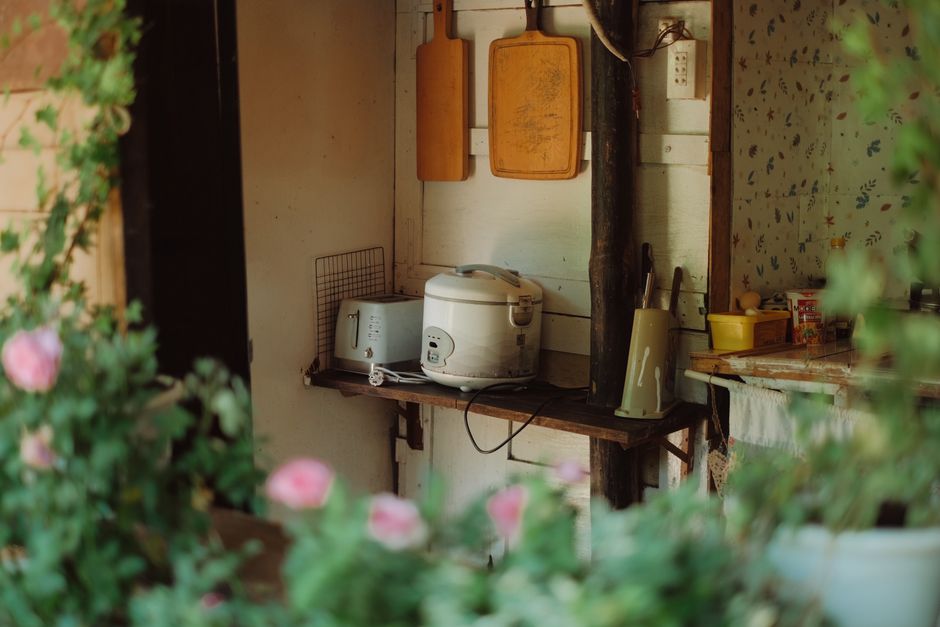
The sustained rise in food prices is prompting Japanese consumers to cook more at home and eat out less. This is reflected in a survey by the Japanese household appliance manufacturer Tiger Corporation, which has identified a shift in habits with direct implications for which retail channels are gaining ground in the Japanese market: the catering sector or the home food sector.
A survey that identifies changing habits
According to the press release from Tiger Corporation, the survey was carried out at the end of June amongst 658 men and women aged 20 and over. 90.4% per cent of respondents said they felt they had been spending more on food in recent years, and 62.1% per cent stated that they now ‘eat at home more often and go out for dinner less often’. The most commonly cited reason for this change, mentioned by 65.3% of those surveyed, was ‘cutting back on spending due to rising prices’.
When asked what they look for when eating at home, the main response, at 45.4%, was to get ‘better value for money than eating out’, followed by ‘convenience’ (36.8%) and ‘nutritional balance’ (34.7%), according to the data provided by the company.
Interest is shifting towards kitchen appliances
Among the 346 respondents who said they wanted to ‘invest in kitchen appliances to improve their enjoyment of eating at home’, the two most sought-after products were the rice cooker (54.9%) and the microwave (44.2%), according to a press release from Tiger Corporation, a company which manufactures precisely this type of appliance, including rice cookers.
The statement also notes that, although food prices in general have continued to rise, the price of rice has fallen from the highs recorded during last year’s shortage. According to Tiger Corporation, this explains why, whilst saving money by eating at home, Japanese consumers still want to enjoy high-quality rice as part of their daily lives.
What does this mean for Spanish companies?
The key figure for those exporting to Japan is not so much the expenditure figure itself, but rather the shift in consumption from the catering sector towards home consumption. For Spanish food and drink companies, this may mean that the retail sector (supermarkets, specialist shops, online sales) gains relative importance compared to the HORECA sector as a route into or for growth in Japan, at least whilst this trend towards saving continues.
Products designed for domestic consumption — mid-range wine to accompany meals at home, olive oil, tinned foods, sauces or gourmet products in single-serve or family-size packs — may find a favourable market if they are well positioned in terms of value for money, one of the most important criteria according to this survey. Conversely, products aimed primarily at the catering sector or high-end hospitality should be monitored closely, as the report points to a reduction in dining out as part of Japanese households’ spending cuts.
Source: Tiger Corporation — Eating at home is the new eating out in Japan as food prices continue to rise
More on Markets and Consumption
← Back to the blog Esencia, in Tokyo, is organising a Bodegas Roda wine tasting on 12 November
The Spanish restaurant Esencia (Tokyo) is hosting a wine-pairing dinner with Bodegas Roda; the Japanese importer will be presenting the wines to local diners.
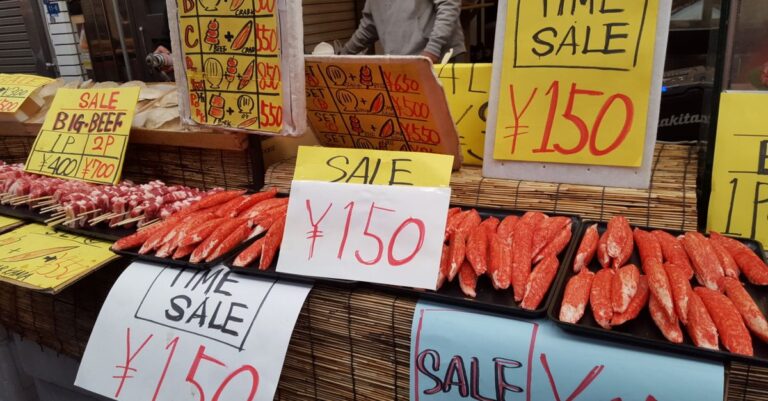 Japan turns to Australian beef due to the drought in the US.
Japan is increasing its reliance on Australian beef, whilst Spain has suspended beef exports due to nodular dermatosis.
 BRONPI Spanish wood-burning stoves arrive in Japan
A Japanese company imports BRONPI stoves directly from Andalusia; the 20-30% model is cheaper than other European brands in Japan.