
Japan turns to Australian beef due to the drought in the US.
Japan is increasing its reliance on Australian beef, whilst Spain has suspended beef exports due to nodular dermatosis.
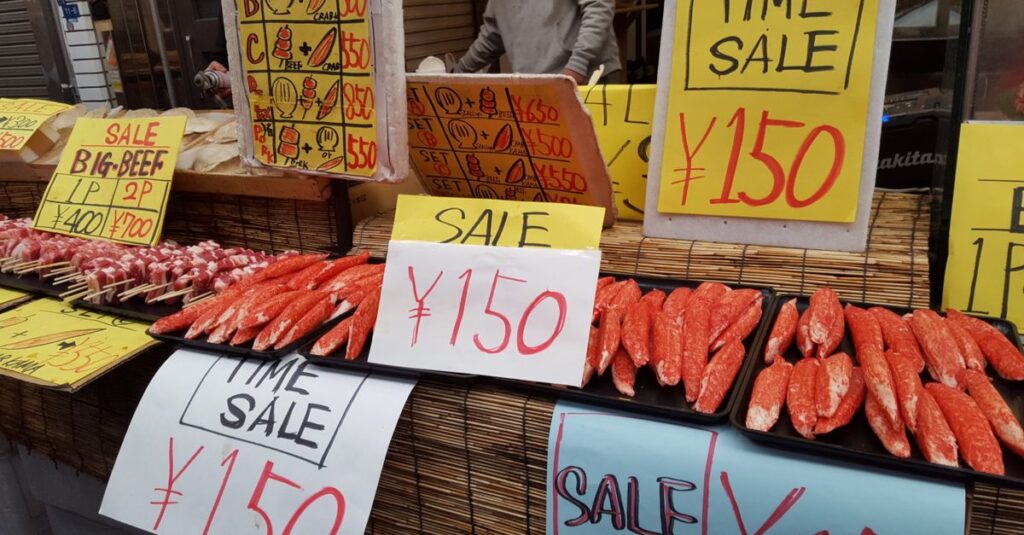
Japan, one of the world’s largest beef import markets, is increasing its reliance on a single supplier: Australia. According to Nikkei Asia, more than 50% of Japan’s beef imports now come from that country, at a time when droughts are affecting US herds and climate change is complicating livestock production on a global scale.
The publication notes that this shift towards Australia is putting pressure on Japanese buyers to diversify their supply sources, and points out that some importers are exploring alternatives in Argentina and Brazil so as not to rely too heavily on a single source.
A key finding in the report, attributed to Meat & Livestock Australia, is that China and South Korea have already exhausted their respective tariff quotas for Australian beef this year, which is expected to leave more volume available for the Japanese market. In other words, Japan could absorb part of the surplus that Australia is no longer able to place, duty-free, in those other two Asian markets.
It should be noted that this content was commissioned from Nikkei’s Global Business Bureau, as stated in the text itself; it should therefore be read as a sponsored feature within Nikkei Asia’s coverage, rather than as a purely independent editorial analysis.
What does this mean for Spanish companies?
The original news report does not mention Spain at any point, for a very specific reason that is worth noting: imports of beef and beef products from Spain have been suspended in Japan since 5 October 2025, due to an outbreak of contagious nodular dermatosis (LSD). This is confirmed by the fact-check carried out on 22 October 2026 using the official source from the Japanese Ministry of Agriculture, Forestry and Fisheries (MAFF).
This means that, whilst Australia is gaining ground in the Japanese market and other countries such as Argentina and Brazil are emerging as diversification options for Japanese importers, the Spanish beef sector cannot compete for that market share: its access to the Japanese market is blocked for health-related, rather than trade-related, reasons. For export managers at Spanish meat companies, the practical message is twofold: on the one hand, to monitor closely the development of the health-related suspension, as its lifting could open a window of opportunity just as Japan is actively seeking to diversify its suppliers; on the other hand, to bear in mind that, even if the health issue is resolved, the competition for that market share (Australia, Argentina, Brazil) is already gaining the upper hand.
Source: Nikkei Asia — Japan’s beef imports shift to Australia as droughts affect US herds
More on Markets and Consumption
← Back to the blog Esencia, in Tokyo, is organising a Bodegas Roda wine tasting on 12 November
The Spanish restaurant Esencia (Tokyo) is hosting a wine-pairing dinner with Bodegas Roda; the Japanese importer will be presenting the wines to local diners.
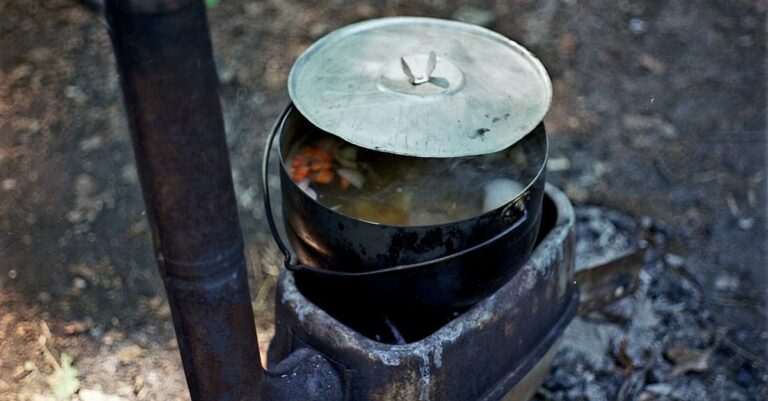 BRONPI Spanish wood-burning stoves arrive in Japan
A Japanese company imports BRONPI stoves directly from Andalusia; the 20-30% model is cheaper than other European brands in Japan.
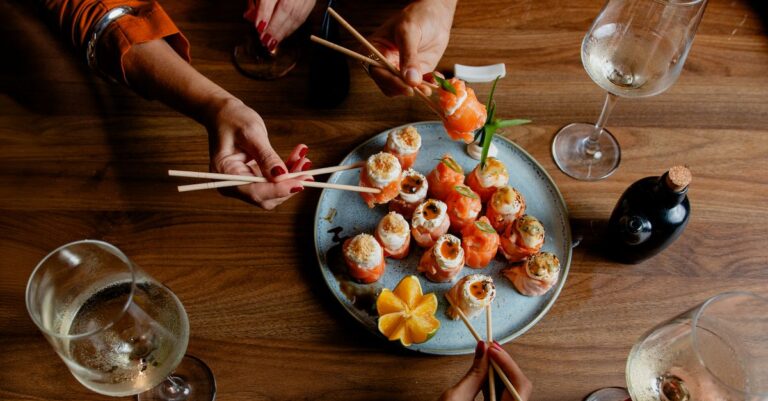 The JAL City Nagasaki Hotel is organising a Spanish wine fair featuring Bodegas Lahoz
A hotel in Nagasaki is promoting wines from the Spanish winery Lahoz until 31 October, paired with Chinese cuisine, to mark its 30th anniversary.